By MV International | 30 May 2026
Choosing a Burn Off Oven over traditional chemical washing represents a major shift in industrial maintenance. We understand the physical strain and continuous expenses associated with stripping paint from your valuable metal parts. Factory operators often struggle to find safe ways to clean expensive machine components without causing permanent structural damage. Chemical solvents frequently leave hazardous residues that require expensive disposal and create severe health risks. By shifting toward thermal technology, you completely remove those dangerous liquids from your facility permanently.
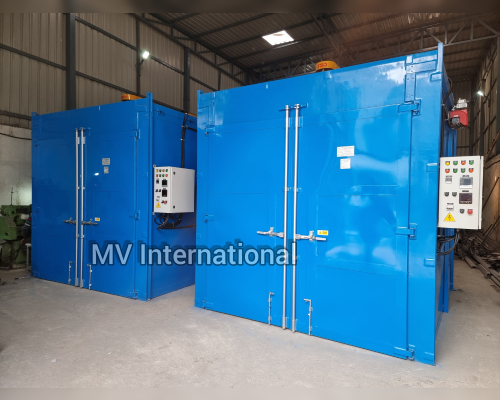
Industrial cleaning processes usually rely on either intense heat or powerful solvents to strip away stubborn materials. A Burn Off Oven operates by heating metal parts to specific temperatures until the resilient coating completely breaks down and turns into harmless ash, which prevents any secondary pollution. Chemical cleaning methods, on the other hand, require submerging these same parts into large vats of highly reactive liquids just to dissolve the synthetic polymers.
| Feature | Thermal Cleaning | Chemical Methods |
| Primary Mechanism | Controlled heat application | Corrosive liquid submersion |
| Waste Production | Small amounts of ash | Large volumes of toxic sludge |
| Operator Safety | High protection levels | Risk of severe chemical burns |
Business owners must weigh these operational differences to protect both their machinery and their workforce effectively. We have found that thermal processing provides a much cleaner environment for everyone involved in the maintenance department.
Relying on harsh chemicals often leads to unexpected corrosion that slowly destroys your valuable manufacturing equipment over extended periods of time. Thermal processing systems ensure that the underlying base metal remains completely unaffected while only the unwanted external coating disappears safely. Factory workers truly appreciate this predictable method because they never have to worry about accidentally leaving vital parts submerged in corrosive acid for too long.
Evaluating the true cost of cleaning operations requires looking far beyond the initial purchase price of the equipment. Chemical baths demand continuous purchases of raw materials, protective gear, and specialised waste disposal services throughout the year. Investing in proper thermal systems drastically cuts down those recurring monthly expenses by using energy efficiently.
Finding a reliable manufacturing partner involves trusting a company that completely understands your regular operational struggles. We at MV International engineer our machines to solve the specific problems that negatively impact your productivity. Incorporating an MV International system guarantees that you receive robust equipment built for heavy industrial usage. Reaching out to MV International allows you to upgrade your maintenance routines without disrupting your ongoing factory production.
Are you ready to stop wasting money on dangerous chemicals and upgrade your industrial cleaning operations? We invite you to contact MV International right now to discover the safest thermal processing equipment for your facility.
Replacing dangerous solvent tanks with a reliable thermal system brings massive benefits to your entire manufacturing process. We strongly believe that prioritising worker safety and environmental health should always remain at the forefront of your decisions. Trusting dependable machines from MV International provides you with the ultimate peace of mind. Making this sensible transition removes harmful toxic materials while dramatically improving your long-term financial savings.
What is the average running cost of a Thermal Cleaning System ?
Operating a Thermal Cleaning System normally costs significantly less than buying continuous chemical supplies for your factory. The specific energy consumption depends directly on the size of the unit and your local electricity rates.
Can a Burn Off Oven handle delicate metal components safely?
These thermal units use highly controlled heating cycles that completely prevent any damage to sensitive metal substrates. The sophisticated temperature monitors ensure that the internal heat never reaches the melting point of your essential parts.
How long does a thermal cleaning system take to clean parts?
A standard thermal cycle usually requires between 3 to 8 hours depending entirely on the coating thickness. The automated nature of the Burn Off Oven means your operators can load the machine and leave it unattended.
Copyright © 2026 MV International. All Rights Reserved.