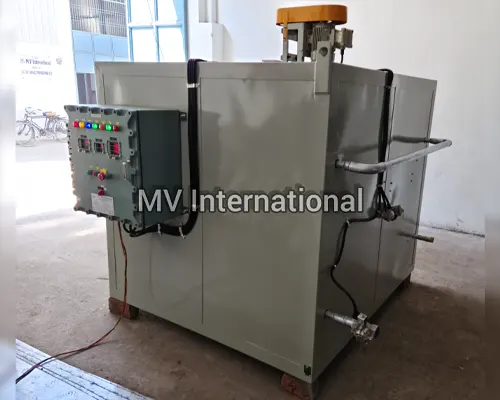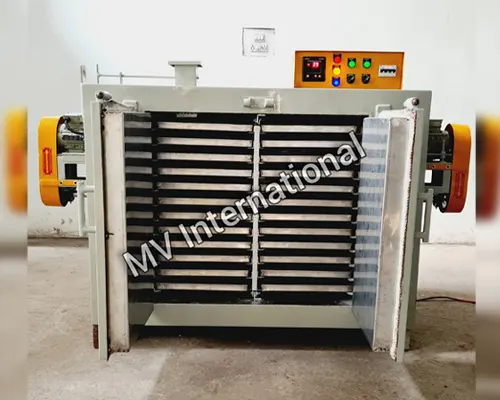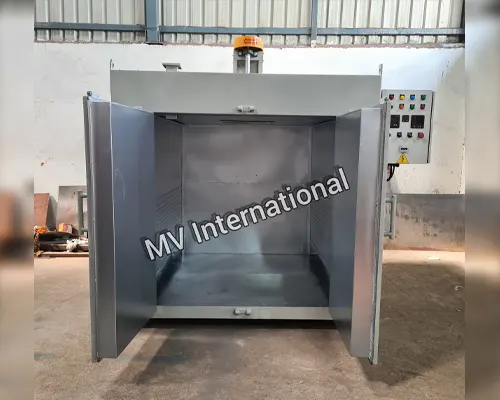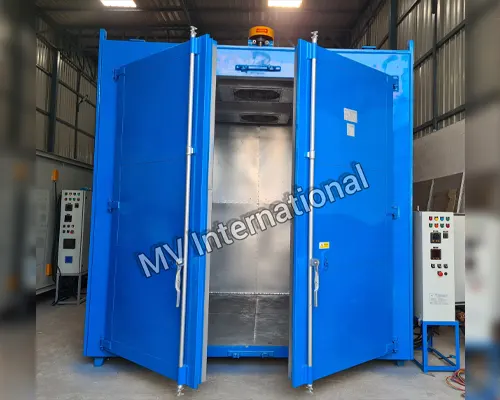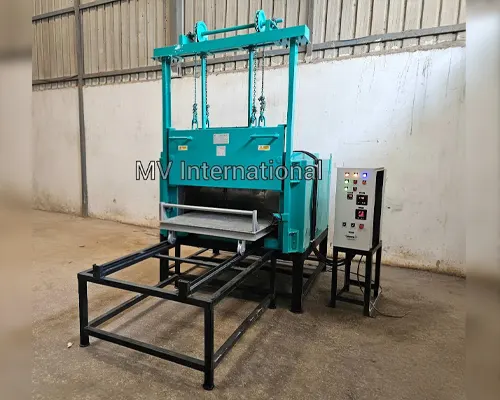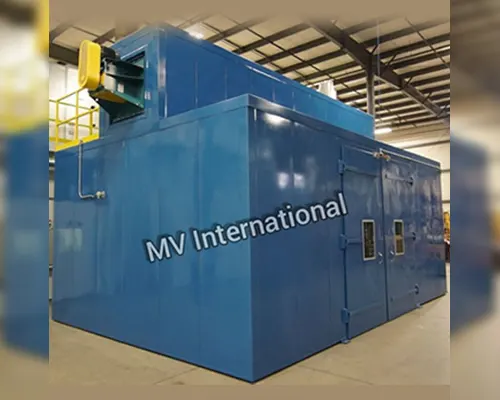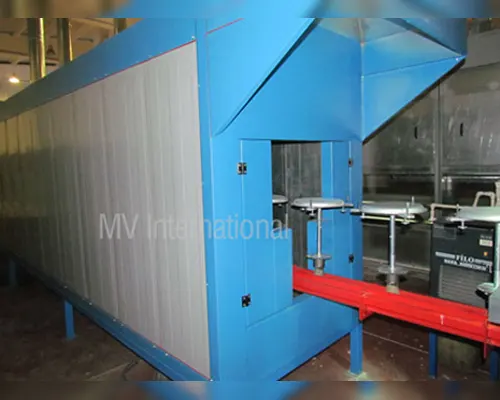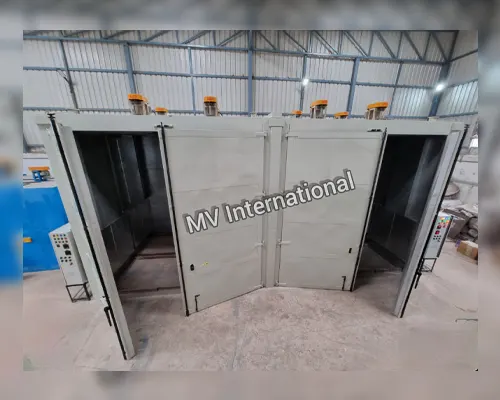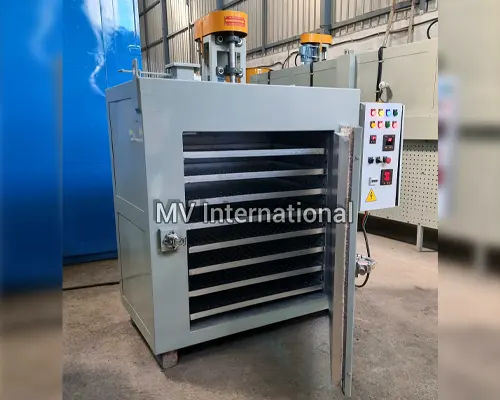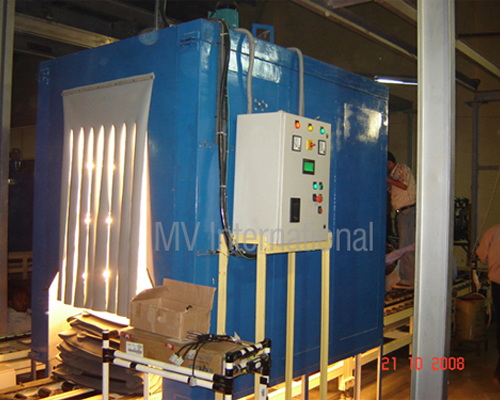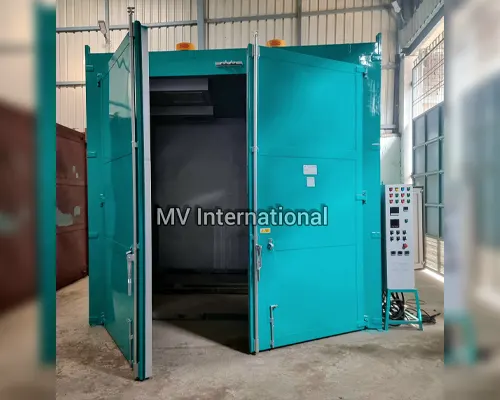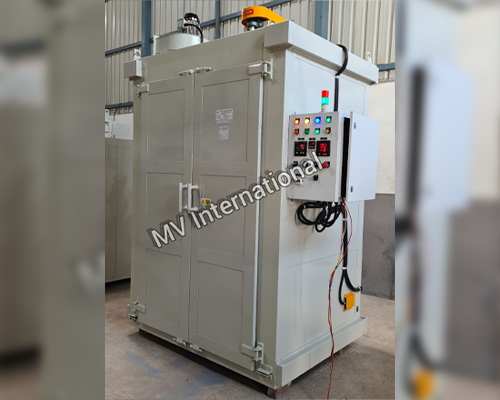
A manufacturing unit never measures equipment by appearance. It measures it by output stability, repeatability, and trust. An industrial electric oven plays a quiet but decisive role in this equation. When heat behaves as expected, production teams work with confidence. When it does not, the entire process slows down. At MV International, oven manufacturing begins with a simple question asked across the table: Will this system support daily operations without constant intervention? Here, let us learn about five essential features that determine whether an oven strengthens a manufacturing process or becomes an operational burden.
A dependable industrial electric oven is defined by consistency across every cycle.
Together, these features reduce variability and support process discipline across shifts and batches.
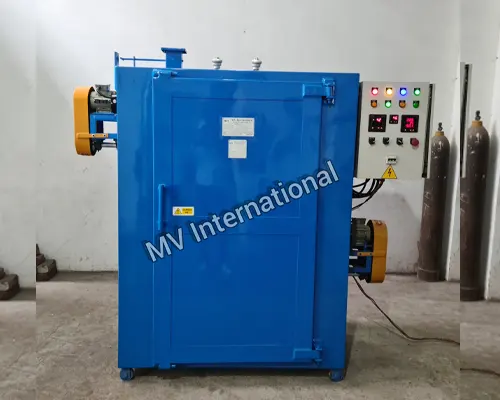
Temperature control in an industrial electric oven determines whether output remains repeatable. Accurate sensors placed at functional zones provide real-time readings. Programmable controllers allow operators to set and repeat precise cycles without manual adjustment. Gradual heating and cooling protect material integrity. At MV International, control systems are designed to support steady results rather than rapid changes. This approach benefits manufacturers who value consistency, traceability, and compliance with quality benchmarks.
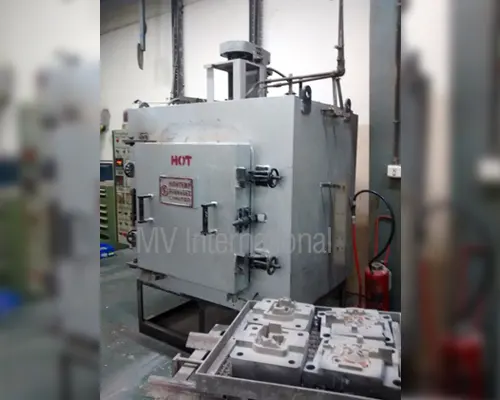
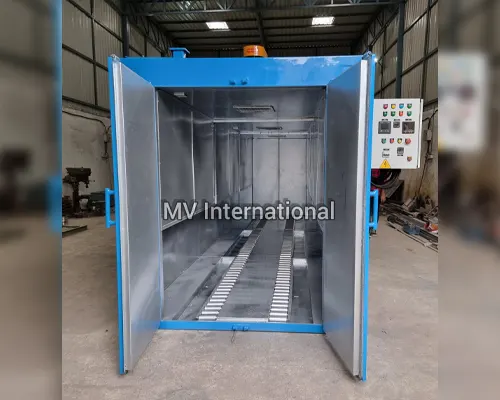
An Industrial Electric Oven is commonly referred to by its application. Curing ovens support coating and paint processes. Drying ovens remove moisture from parts or materials. Heat treatment ovens modify physical properties. Despite different names, the underlying requirement remains controlled thermal performance. The chosen configuration must align with the process objective rather than generalised capacity claims.
Energy efficiency begins with intelligent design. Proper chamber sealing reduces heat leakage during operation. Balanced airflow minimises temperature variation and shortens cycle duration. High-quality insulation retains internal heat and lowers power consumption. Efficient heating elements convert electrical input into usable thermal output with minimal loss. These elements work together to reduce operating costs while maintaining steady performance throughout extended production hours.
MV International designs and manufactures ovens based on application understanding rather than catalogue specifications. Each system reflects client process requirements, material behaviour, and operational conditions. Manufacturing follows structured quality checks and export-oriented standards. Components are selected for durability and service accessibility. This method results in equipment that integrates into existing operations without disruption, supporting long-term reliability across domestic and international installations.
A well-engineered industrial electric oven contributes to predictable planning. Stable cycle times allow accurate scheduling. Reduced maintenance lowers unplanned downtime. Consistent energy consumption supports cost forecasting. Reliable output reduces inspection and rework. These factors help management teams focus on scale and compliance rather than daily operational adjustments.
Build quality affects every aspect of performance. Strong frames resist deformation. Reliable wiring improves safety and serviceability. Thoughtful layout simplifies maintenance tasks. Clear documentation supports operator training. Additional features often add complexity without operational benefit. At MV International, emphasis remains on construction integrity because it directly influences uptime and operational confidence.
What Is The Most Efficient Electric Oven For Industrial Use?
Efficiency depends on insulation quality, airflow balance, and temperature control accuracy.
How Long Does An Industrial Electric Oven Typically Last?
Well-built ovens often operate reliably for over fifteen years with proper maintenance.
Can Industrial Electric Ovens Be Custom Designed?
Yes, most systems are built around specific process and capacity requirements.
Are Industrial Electric Ovens Suitable For Export Markets?
They align well with international safety and energy standards.
How Should Manufacturers Select An Oven Supplier?
Process understanding, build quality, and long-term service capability matter most.
Copyright © 2026 MV International. All Rights Reserved.