By MV International | 11 June 2026
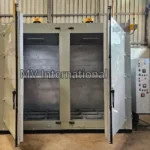
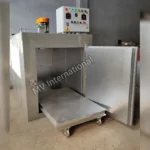
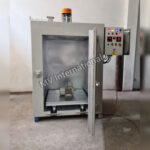
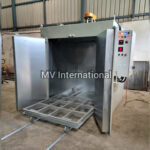
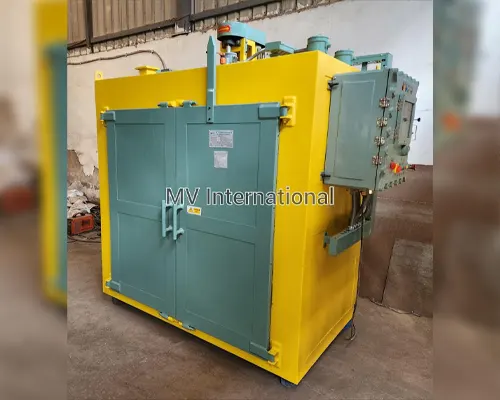
A drum warming oven serves as a vital tool when thick materials refuse to flow from their containers during cold weather operations. Have you ever struggled with viscous liquids like heavy oils, resins, or food-grade waxes that turn solid when temperatures drop? You are not alone in facing this common production bottleneck that halts entire assembly lines. We at MV International understand how problematic such delays become for your bottom line. This guide explores how controlled heating technology restores material flow and ensures your production runs smoothly without unnecessary work stoppages.
| Material Type | Typical State at 20°C | Ideal Heating Range | Reason for Heating |
| Industrial Resin | High Viscosity | 45°C to 60°C | Enhances mixability |
| Heavy Fuel Oils | Semi-Solid | 50°C to 70°C | Improves pump flow |
| Food-Grade Waxes | Hard Block | 60°C to 80°C | Enables smooth dispensing |
| Chemical Additives | Thick Slurry | 40°C to 55°C | Ensures consistent blending |
| Specialized Paints | Paste-like | 35°C to 50°C | Perfects spray consistency |
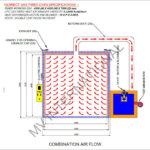
Viscous substances often become difficult to handle because their molecular structure tightens as the ambient temperature falls below a certain threshold. A dedicated drum warming oven applies gentle, consistent thermal energy to the entire outer surface of the barrel rather than just a hot spot. This method prevents the material from burning or degrading while it slowly regains its liquid properties. By choosing equipment engineered by MV International, you benefit from designs that prioritize thermal uniformity across every centimetre of the drum surface area.
Avoiding localized overheating is the key to preserving the raw material properties you rely on for your final products. MV International builds these systems with deep industry knowledge to ensure that your processes remain safe, efficient, and entirely reliable throughout the year.
You should consider investing in this technology when your manual dispensing methods become labour-intensive or cause significant production delays during the winter season. If workers spend long hours trying to scrape thickened contents from drums, you are losing valuable time and money. A professional heating solution transforms these difficult substances into easy-to-pump liquids in a fraction of the time. We see many plants struggle with this, and a simple shift toward automated heating changes the entire efficiency of the facility operations.
Energy management remains a top priority for modern manufacturing units looking to reduce their overhead costs and improve their overall environmental footprint. A well-insulated drum warming oven retains heat far better than open-style heating blankets or rudimentary drum heaters that leak energy into the surroundings. By keeping the thermal energy contained exactly where it belongs, you reduce the time required to reach your target temperature. MV International provides robust insulation solutions that stop heat loss, ensuring your electricity consumption stays within budget.
Selecting the right size depends entirely on the volume of materials you process and the speed at which you require your liquids to flow. You must calculate your hourly throughput requirements and the total number of drums you need to prepare in one single production cycle. It is also important to consider the physical space available on your factory floor and the power supply constraints of your building. Talk to our team at MV International to find a configuration that fits your specific workflow requirements without wasting valuable space.
We invite you to reach out to our team to learn how our heating solutions can help stabilise your production line before the next cold season arrives.
Yes, provided the equipment features high-quality thermostats and safety cut-off switches to prevent overheating, which is standard on all professional-grade units.
Automated warming systems typically reduce material preparation time by 60% or more when compared to manual or localized band-heating methods used by plant workers.
Most units are highly versatile, but you must confirm that the internal materials are compatible with the specific chemicals being heated to ensure safety and longevity.
Controlled heating actually prevents the degradation that occurs with uneven heat, ensuring the material properties remain stable and ready for your specific manufacturing application requirements.
Minimal maintenance is required if you perform periodic inspections of the heating elements and calibration of the digital temperature controllers to ensure consistent performance levels.
Copyright © 2026 MV International. All Rights Reserved.