By MV International | 28 May 2026
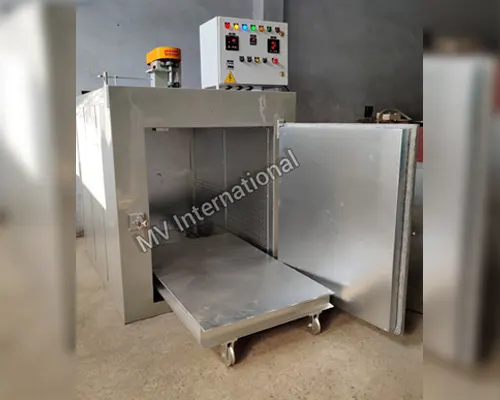
Motor rewinding requires precision and proper curing to function properly for years. Workers must treat the delicate copper coils carefully to ensure the electrical current flows without interruption. During this sensitive process, a varnish baking oven provides the necessary controlled heat to solidify the protective coating. Applying the protective resin requires consistent thermal energy to bind the materials together properly. You will find that these specialised heating chambers remove trapped moisture and prevent future electrical failures. Understanding this curing equipment helps technicians deliver reliable results that keep factories running efficiently across various sectors.
When technicians apply protective insulation to copper windings, they need a dedicated space to harden the liquid resin. The varnish baking oven evaporates the solvents completely while creating a solid barrier against moisture and dust. This controlled heating process ensures the insulating material bonds tightly to the metallic components without leaving weak spots. Operators monitor the curing cycle closely to prevent the delicate insulation from becoming brittle or peeling off during actual operation.
| Process Stage | Purpose of Heating | Outcome Achieved |
| Pre-heating | Removing trapped moisture | Dry copper coils |
| Varnish Dipping | Applying the insulation | Coated metallic parts |
| Baking Cycle | Curing the resin completely | Solid protective barrier |
Following the initial heating stages, several specific benefits emerge for the industrial equipment.
Operating industrial motors under heavy loads requires robust insulation that can withstand high temperatures. If the curing equipment fails to reach the required thermal levels, the protective coating remains soft and vulnerable to damage. At MV International, we know that maintaining the exact temperature ensures the resin forms a dense layer that extends the working life of the machinery. Technicians rely on accurate thermal controls to prevent under-curing or over-curing the highly sensitive electrical components.
| Temperature Level | Impact on Insulation | Resulting Motor Lifespan |
| Too Low | Soft and sticky coating | Frequent unexpected breakdowns |
| Optimal Heat | Dense and strong barrier | Long and reliable service |
| Too High | Brittle and cracked resin | Immediate electrical failures |
During the curing phase, the liquid insulation releases various chemical vapours that need a safe exit path. Proper airflow within the heating chamber removes these harmful gases before they can settle back onto the motor components. Our engineers at MV International ensure the internal atmosphere remains completely safe by designing systems that remove 99% of highly flammable solvent fumes. Removing the chemical byproducts consistently helps the protective coating dry faster and achieve the desired structural hardness.
Following the ventilation process, you will notice specific operational improvements during the continuous curing cycle.
Industrial facilities demand heavy-duty heating equipment that provides consistent performance across countless production cycles. Reliable machines feature thick insulated walls that keep the thermal energy trapped inside the chamber efficiently. Advanced digital controllers allow operators to set specific heating profiles for different sizes of electrical motors. As an established manufacturer, we at MV International understand the necessity of delivering dependable thermal solutions for various industrial applications. We design our equipment with heavy structural frames that endure rigorous usage across busy manufacturing plants. Our systems include multiple safety mechanisms that protect both the operators and the valuable electrical components.
Proper curing remains a fundamental requirement for delivering dependable electrical components that serve industrial facilities well. Selecting the appropriate heating equipment guarantees that the protective insulation bonds perfectly with the sensitive copper coils. We encourage you to explore the reliable varnish baking ovens available at MV International for your manufacturing requirements. Please visit our website to review our comprehensive range of industrial heating chambers.
What maintenance is required for a Thermal Processing Equipment ?
Operators must regularly inspect the heating elements and clean the exhaust ventilation ducts thoroughly. Checking the temperature sensors ensures the equipment delivers the correct heat during every curing cycle. We recommend scheduling routine professional inspections to maintain the overall efficiency of the heavy industrial heating chamber.
How long does an Industrial Heating System take to cure motors?
The complete curing duration depends heavily on the physical size of the electrical components being processed. Small electrical coils might require 4 to 6 hours to dry the protective resin completely. Heavy industrial machinery often needs 12 to 24 hours of consistent heat for perfect resin bonding.
Can you use an Industrial Curing System for different motor sizes?
Industrial heating chambers accommodate various component dimensions through adjustable internal shelving and versatile loading mechanisms. Operators can modify the digital temperature settings to match the specific requirements of smaller or larger electrical coils. The flexible interior space allows facilities to process multiple components simultaneously to increase their daily production output.
Copyright © 2026 MV International. All Rights Reserved.